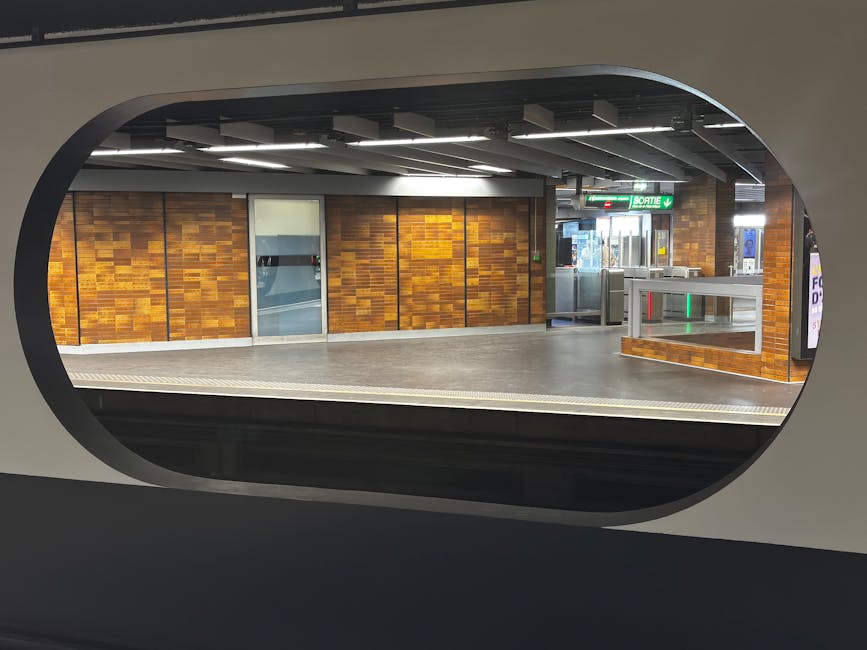
Mortlake station fast rubbish clearance for commuters
If you commute through Mortlake, you already know how quickly a small rubbish problem can turn into a very annoying one. A bag left too long, a bulky item blocking a hallway, or a last-minute office clear-out can slow everything down. Mortlake station fast rubbish clearance for commuters is about removing that friction fast, safely, and with as little disruption to your day as possible.
Maybe you are moving between the station and home with no time to spare. Maybe your flat, shop, or office needs waste gone before the morning rush. Or maybe you have missed a collection and the pile is now staring at you every time you open the front door. This guide explains how fast rubbish clearance works in practice, who it helps, what to watch for, and how to make sure the job is done properly without creating more hassle later on.
For commuters, speed matters. But so does reliability. Nobody wants a quick fix that leaves dust in the hallway, damaged flooring, or a half-finished clear-up. The best approach is simple: plan the clearance around your routine, choose the right service level, and make sure the waste is handled responsibly. Sounds obvious. Yet in real life, that little bit of planning is what saves the most time.
Table of Contents
- Why Mortlake station fast rubbish clearance for commuters Matters
- How Mortlake station fast rubbish clearance for commuters Works
- Key Benefits and Practical Advantages
- Who This Is For and When It Makes Sense
- Step-by-Step Guidance
- Expert Tips for Better Results
- Common Mistakes to Avoid
- Tools, Resources and Recommendations
- Law, Compliance, Standards, or Best Practice
- Options, Methods, or Comparison Table
- Case Study or Real-World Example
- Practical Checklist
- Conclusion
- Frequently Asked Questions
Why Mortlake station fast rubbish clearance for commuters Matters
Mortlake is a place where timing matters. Trains, school runs, work calls, deliveries, and the usual London shuffle all seem to happen at once. Add unwanted rubbish to that mix and the pressure climbs quickly. Fast clearance is not just a convenience; it is a way to keep your day moving and stop clutter from spilling into your routine.
For commuters, the biggest issue is often the gap between when waste appears and when it can be dealt with. You may leave home early, get back late, and have only a short window to handle anything practical. That is where a responsive rubbish clearance service earns its keep. It fits around the day you actually live, not the day you wish you had. To be fair, that is a big deal.
There is also a wellbeing angle. Piles of rubbish create visual stress, and in small London homes, the effect can be immediate. One box becomes three. A broken chair becomes a trip hazard. A couple of bin bags become a smell you notice the second you step inside. Fast rubbish clearance helps restore order before the mess becomes normal. And once clutter starts feeling normal, it is oddly hard to shake off.
For local shops, landlords, and office teams near the station, speed has a business value too. A tidy entrance, clean storage area, or cleared back room makes it easier to welcome customers, move stock, and avoid the kind of awkward mess that nobody wants to explain before 9 a.m.
Expert summary: the real value of fast clearance near Mortlake station is not only speed. It is the combination of quick response, careful handling, and practical timing that respects commuter life. If those three things line up, the whole job feels easier from start to finish.
How Mortlake station fast rubbish clearance for commuters Works
In most cases, fast rubbish clearance follows a simple, efficient process. The details vary by property type and waste volume, but the logic stays the same: assess the load, agree the plan, remove the waste, and tidy up afterwards. The service is designed to be quicker than arranging transport yourself, and much less faff than trying to do it during the working week.
1. You describe what needs removing
This might be a few black bags, a broken wardrobe, old office furniture, or a mixed load after a clear-out. The more accurately you describe the items, the better the timing and vehicle planning can be. A decent provider will ask about access, stairs, parking, and whether anything is bulky or awkward. These questions may feel a bit detailed, but they save time later.
2. The collection is planned around access and urgency
Near a busy station, access matters. Is there room to stop? Is the waste inside a flat, a shop, a loft, or an office unit? Can the team get in quickly without blocking neighbours or delaying your morning? Good planning avoids the classic commuter problem: five minutes saved on paper, twenty minutes lost because the lift is busy or the pavement is narrow.
3. The team removes and sorts the waste
Once on site, the aim is to clear the items efficiently while separating reusable or recyclable material where possible. That can include furniture, cardboard, appliances, green waste, mixed household clutter, or office waste. If you need something specific handled, such as confidential shredding or appliance removal, say so early. It is much easier than discovering the issue at the kerb.
4. The area is checked and left tidy
A proper fast clearance should end with a quick sweep and a look around for missed items, packaging, or minor debris. That last step sounds small, but it is what stops a clear-out from feeling half-done. Nobody wants to leave for the station with dust still gathering by the skirting board.
If you are weighing up broader waste options, it can help to compare them against a general service such as waste removal or a more specific solution like business waste removal for commercial premises. Different jobs need different handling, and matching the job to the method is half the battle.
Key Benefits and Practical Advantages
Fast rubbish clearance near Mortlake station is not only about speed. It also offers practical benefits that become obvious the first time you avoid a delayed morning or an overstuffed hallway.
- Less disruption to your commute: if collection happens before work or during a narrow time slot, you keep the rest of your day intact.
- Fewer trip hazards: loose items, bags, and broken furniture are easier to manage when they are removed quickly.
- Better use of limited space: commuters often live and work in compact places, so reclaiming floor space really matters.
- Cleaner presentation: useful for landlords, tenants, shops, and small offices that need to look presentable fast.
- Reduced stress: once the clutter is gone, you can breathe a bit easier. Honestly, that matters more than people admit.
- More flexible than self-haul: you do not need to hire a van, take time off, or navigate loading waste around your schedule.
There is also a hidden benefit: faster decision-making. When you know a clearance can be done quickly, you are less likely to leave clutter hanging around for weeks. That helps prevent small problems becoming the sort of thing you keep stepping over while muttering, "I'll deal with it later." Later has a habit of vanishing.
For larger domestic clearances, fast response can also pair well with services such as house clearance or home clearance. If the job is bigger than a few bags, that distinction can make the process smoother and more cost-effective.
Who This Is For and When It Makes Sense
This kind of service suits people who need a quick turnaround and cannot afford to lose time managing waste themselves. In practice, that includes a wider group than you might expect.
Typical users include:
- Daily commuters who leave early and return late
- Renters moving out or preparing for inspections
- Landlords between tenants
- Local shops needing a fast tidy-up before opening
- Small offices clearing stock, packaging, or broken equipment
- Homeowners dealing with a sudden build-up of clutter
- People clearing furniture after a delivery, redecorating, or downsizing
It makes sense when the waste is too much for the bins, too bulky for normal collection, or too urgent to leave sitting around. It also makes sense when your calendar is already packed. Let's face it, if you are catching a train and trying to sort the bins before sunrise, even a small pile can become a proper nuisance.
For offices and retail units, fast clearance is especially helpful after fit-outs, seasonal changes, or stock room resets. A service such as office clearance can remove desks, chairs, filing material, packaging, and general clutter with minimal disruption. If you run a shop or small commercial unit, the right clearance keeps you operational rather than stuck in tidying mode.
Step-by-Step Guidance
If you want the quickest and least stressful outcome, follow a simple process. It does not need to be complicated, and that is the point.
- Identify what needs to go. Make a quick list of the items, bags, or room contents. Separate anything you want to keep before the clearance begins.
- Check access. Note stairs, narrow doors, parking restrictions, lift availability, and whether the items are on the ground floor or higher up.
- Estimate the load honestly. A few black bags is very different from a garage full of mixed waste. Over- or under-stating the amount can slow things down.
- Choose the right type of clearance. Household waste, office waste, furniture, appliances, and garden debris all benefit from slightly different handling.
- Arrange a time that suits your commute. Early morning, lunch break, or just after work can all work well depending on access and noise considerations.
- Keep the route clear. Hallways, stairwells, and entrance areas should be as open as possible before the team arrives.
- Ask about sorting and disposal. If recycling matters to you, make sure the provider explains how materials are separated.
- Do a final walk-through. Check for overlooked items, stray screws, paperwork, or bits under shelves and behind doors.
A small practical note: if you are dealing with heavier or awkward items, such as a fridge, old wardrobe, or sofa, mention that early. Those pieces often change the time, staffing, and vehicle setup. It is not a problem; it just needs planning. A service like furniture clearance or mattress and sofa disposal can be the tidy solution when bulk is the main issue.
Expert Tips for Better Results
Fast clearance goes more smoothly when you make the job easier from the start. These are the little things that save the most time.
- Group waste by type. Put cardboard, furniture, appliances, and general clutter into separate piles if you can. Even a basic separation helps.
- Clear a path before the team arrives. The team should not have to navigate shoes, coats, bikes, or mystery boxes just to reach the waste.
- Take a quick photo if you are unsure. A photo helps the provider understand access and volume. It is quicker than a long description, and much clearer.
- Be realistic about timing. If you need a clearance before catching the 8:12, do not book it for the same minute. Give yourself breathing room.
- Ask what can be recycled. Reuse and recycling options vary by material, and the answer can affect both cost and environmental impact.
- Keep valuables and paperwork separate. This sounds obvious, but clutter has a funny way of hiding important things in plain sight.
In our experience, the best jobs are the ones where the customer has spent ten minutes prepping the space. That little bit of effort makes the clearance feel twice as quick. A fair trade, really.
If sustainability matters, consider asking about a provider's approach to sorting and diversion from landfill. A page like recycling and sustainability can be useful if you want a better sense of how materials may be handled. It is also worth checking whether reusable items can be directed elsewhere rather than simply disposed of.
Common Mistakes to Avoid
Most clearance problems are avoidable. The tricky part is that they often look small until they slow the whole job down.
Leaving access until the last minute
If the team arrives and cannot get close enough to the waste, everything slows. Parking, gates, lifts, and tight hallways all matter more than people expect.
Mixing hazardous items with general rubbish
Not every item can go with standard waste. Paint tins, chemicals, batteries, gas-related items, and some electricals may need special handling. If in doubt, ask before the collection day rather than after the van has arrived.
Underestimating the volume
A single room can look modest and still produce a surprising amount of waste once drawers, cupboards, and under-bed storage are emptied. Funny how that works.
Forgetting about recycling or re-use
Some items can be donated, repurposed, or recycled. If you do not ask, they may simply be treated as mixed waste. That may be fine in some cases, but it is worth considering.
Trying to do too much yourself
There is a point where moving one more heavy item becomes the wrong kind of effort. If you are already rushing for the train, it may be smarter to let a clearance team handle the lifting.
For larger or awkward situations, such as loft clutter or a packed garage, it may be easier to use focused services like loft clearance or garage clearance. That keeps the task contained instead of turning into a full-day project.
Tools, Resources and Recommendations
You do not need a toolkit the size of a DIY warehouse. But a few practical items and simple habits can make a fast clearance much smoother.
| Tool or Resource | Why It Helps | Best Used For |
|---|---|---|
| Phone camera | Gives a clear view of volume and access | Quoting and planning |
| Sticky notes or labels | Separates keep, donate, and remove piles | Room clearances and office resets |
| Box or bag stack | Keeps loose items together | Small domestic waste |
| Checklist | Stops items being forgotten | Moving, decluttering, and business clear-outs |
| Secure bagging | Reduces spills and makes handling easier | General rubbish and mixed waste |
| Provider guidance | Clarifies what can be removed safely | Bulky, awkward, or specialist items |
When comparing services, look beyond the headline promise of "fast." Ask what the speed actually includes. Does it cover loading only, or loading plus sweep-up? Is access included in the plan? Can they handle mixed waste or only standard domestic rubbish? These are simple questions, but they make a real difference.
If you are sorting out a workplace, business waste support may also be useful alongside one-off clearances. For larger commercial moves, business waste removal can help keep things orderly. For confidential documents, the safer choice is usually confidential shredding, rather than tossing papers into ordinary waste.
You may also want to think about specialist items. A broken appliance can often be handled through fridge and appliance removal, while renovation offcuts or heavier site waste may be better suited to builders waste clearance. Matching the route to the waste type keeps the process efficient and reduces avoidable surprises.
Law, Compliance, Standards, or Best Practice
Any rubbish clearance service should follow sensible waste-handling practice. In the UK, that normally means waste is carried, sorted, and disposed of by people who understand their responsibilities around safe handling, environmental care, and traceability. You do not need to become an expert in the regulations yourself, but you should expect a professional standard.
Best practice usually includes:
- Using appropriate vehicles and safe lifting methods
- Separating reusable and recyclable materials where feasible
- Handling any potentially hazardous items with care
- Protecting property during removal
- Being clear about what is and is not included in the service
- Keeping records or processes that show waste has been managed responsibly
If you are disposing of anything that could be considered hazardous, sharp, contaminated, or unusual, say so early. That includes things such as some electrical items, chemicals, or materials from refurbishment jobs. A standard collection is not the right place to discover that a bag contains something awkward. It happens more often than you would think, and nobody enjoys that conversation halfway through a job.
It is also sensible to check a provider's safety and insurance information before booking, especially if the clearance involves stairs, tight entrances, or heavy lifting. Pages such as insurance and safety and health and safety policy can help reassure you that the work is being handled with care.
Options, Methods, or Comparison Table
Not every clearance needs the same method. The right choice depends on volume, urgency, access, and the kind of waste you have. Here is a simple comparison to help.
| Method | Best For | Pros | Limitations |
|---|---|---|---|
| Fast rubbish clearance | Urgent, mixed, or bulky waste near the station | Quick, flexible, minimal disruption | Usually less suited to very large ongoing waste streams |
| DIY disposal | Very small volumes and people with time | Direct control over timing | Time-consuming, physically demanding, parking and transport issues |
| Skip-style solution | Longer projects with steady waste output | Useful for renovation or prolonged work | Needs space and usually more planning |
| Specialist clearance | Hazardous, confidential, or item-specific waste | More appropriate handling | Not always necessary for simple mixed rubbish |
If you are unsure, think in practical terms: how quickly does the waste need to go, how awkward is the access, and how much time do you realistically have? If the answer is "not much," fast clearance usually wins. If the answer is "I can deal with this over two weekends," another method may be better. Simple as that.
For some readers, bag-based waste removal may also be a useful alternative to consider. A guide such as rubbish removal bags as a skip alternative can help if you want flexibility without committing to a full skip. That may suit smaller jobs or places with limited outdoor space.
Case Study or Real-World Example
Picture a commuter living a short walk from Mortlake station. It is a Thursday evening, the flat is cluttered, and the hallway has become a temporary storage zone for broken office chair parts, cardboard from a delivery, and two bags of old household waste that should have gone out earlier in the week. Friday morning is already packed. The train leaves before 8 a.m., and there is no appetite for a van hire mission.
Instead of trying to sort everything alone, the resident books a fast clearance for the next available window. Before the team arrives, they separate paperwork, put keep-items in one room, and clear the path from the front door to the hallway. The actual removal is quick because the access is ready, the waste is described correctly, and there is no confusion about what stays and what goes.
By the time the commuter leaves for the station the next day, the flat feels lighter. No bags by the door. No awkward chair leg catching the coat rack. Just a clean route and a much calmer start to the morning. That is the real benefit: a smoother day, not just an empty room.
We see the same pattern with small businesses too. A shop near the station may need packaging, broken display items, and back-room clutter cleared before opening. In those cases, a service such as mortlake high street rubbish collection guide for shops can offer a useful local perspective on how to keep operations moving without turning the place upside down.
Practical Checklist
Use this checklist before booking or on the morning of the clearance. It keeps things tidy and helps the team work quickly.
- Have I listed everything that needs to go?
- Have I removed any items I want to keep?
- Is access clear from the entrance to the waste?
- Have I mentioned stairs, lifts, parking, or tight corners?
- Do I know whether anything needs special handling?
- Have I grouped similar waste together where possible?
- Have I checked for confidential papers, keys, or valuables in drawers and pockets?
- Do I understand whether recycling or re-use is part of the plan?
- Is the time slot realistic for my commute and other commitments?
- Have I asked about sweep-up or tidy finish after the collection?
If the answer to most of those is yes, you are in good shape. If not, that is fine too. Better to sort it now than be halfway through a rushed morning trying to remember where the spare key went.
Conclusion
Mortlake station fast rubbish clearance for commuters is about more than getting rid of junk quickly. It is about keeping your day manageable, your home or workplace clear, and your time protected. For anyone living or working around a busy station area, that matters. A lot.
The best results come from clear communication, sensible preparation, and choosing the right type of clearance for the job. Whether you are clearing a flat, a shop, an office, or a bulky mixed load, fast removal should feel smooth, not stressful. That is the standard to look for.
If you are ready to reclaim space and stop clutter from eating into your routine, start with a service that understands speed, access, and practical commuter timing. Get a free quote today and see how much you can save.
And once the rubbish is gone, the morning somehow feels a bit easier. Funny how that works.
Frequently Asked Questions
What counts as fast rubbish clearance near Mortlake station?
Fast rubbish clearance usually means same-day or short-notice removal where access, waste type, and timing allow it. The key is that the service is arranged to fit around a busy schedule rather than the other way round.
Can commuters book a collection before work?
Yes, early time slots are often the most useful for commuters because they avoid disruption later in the day. The main thing is to make sure access is ready and the waste is clearly identified beforehand.
Is fast rubbish clearance suitable for flats?
Yes, especially for flats with limited storage or shared access. Good planning helps with stairs, lifts, hallways, and parking, so the collection can happen without disturbing neighbours more than necessary.
What types of waste can usually be removed?
General rubbish, mixed household waste, furniture, cardboard, office clutter, and some appliances can often be handled. Items that are hazardous or unusual may need specialist treatment, so it is best to mention them early.
How do I prepare if I only have a short window before my train?
Prepare the waste in one area, clear the route, and separate anything you want to keep. If possible, send photos in advance so the collection can be planned properly. Five minutes of prep can save a lot of faff.
Is it better to choose clearance or do it myself?
If you have time, transport, and a small amount of waste, DIY may work. If you are short on time, dealing with bulky items, or need a clean result quickly, professional clearance is usually the easier option.
Can I get help with furniture, appliances, or mattresses?
Yes, many services can handle bulky items separately or as part of a mixed load. Dedicated options such as furniture clearance, appliance removal, and mattress disposal are often more efficient for those specific items.
Will the area be tidied after the rubbish is taken away?
A proper clearance should include a basic tidy-up, such as removing loose debris and checking the immediate area. If you want a deeper sweep or more detailed finish, ask about that in advance.
What if my rubbish includes paperwork or sensitive documents?
Keep confidential documents separate and ask about shredding or secure handling. Mixing sensitive papers into general waste is not a good idea, even if the pile is small.
How do I know I am choosing a trustworthy provider?
Look for clear communication, straightforward pricing, and sensible information about safety, insurance, and waste handling. A provider who asks practical questions about access and waste type is usually thinking properly about the job.
Do I need to sort recycling before the collection?
It helps, but it is not always essential. Some services can sort material after collection. Still, separating cardboard, metal, reusable items, and general waste can make the process smoother and more environmentally considerate.
Can fast clearance work for shops or offices near the station?
Absolutely. Shops and offices often need quick, low-disruption waste removal to keep the premises presentable and functional. Office clear-outs, stock room tidies, and shop floor waste are all common reasons to book this kind of service.
What should I avoid putting out with normal rubbish?
Avoid mixing anything potentially hazardous, sharp, chemical-based, or otherwise unusual with normal waste unless you have confirmed it is safe to do so. When in doubt, ask first. That one bit of caution can save a lot of trouble.
Is fast rubbish clearance good for one-off clear-outs?
Yes, especially if you need a one-time clean-up after moving, redecorating, or sorting out clutter that has built up over time. It is often the quickest way to get back control without turning your weekend into a full-scale load-lifting exercise.